

Home / Roofing Services / Clay Tile Roofing
Clay Tile Roofing in Pueblo, CO 81001
Natural fired-clay tiles with color running through the tile body — rich tones that weather gracefully instead of wearing out. Inspection and a written estimate first.
- Roof inspection
- Written, itemized estimate
- Local to Pueblo 81001
Speak to a local roofer
Need Clay Tile Roofing help today?
Describe what you see and get a straight answer about the next step — no pressure on the first call.
- Roof inspection
- Photos of what we find
- Written estimate before work starts
Clay tile roofing in Pueblo, CO is a natural roof system made from fired clay tiles, the material that has covered Mediterranean and Spanish-style roofs for centuries. Unlike manufactured concrete tile, clay tile is natural earth, shaped and kiln-fired, with its color running through the tile body rather than sitting on the surface. That gives clay its rich, varied tones and its honest ageing: a clay roof weathers gracefully instead of just wearing out. Clay is heavy, it costs more than concrete tile, and your home structure must be confirmed able to carry it. This page covers clay on its own terms.

Clay Tile in Plain Language
- Natural fired clay. Clay tiles are shaped from natural clay and kiln-fired, not manufactured from cement. Each tile carries slight natural variation.
- Color through the tile. The color runs through the clay body, so chips and weathering do not expose a different-colored core the way surface-coated products can.
- Handles heat and thermal cycling. Fired clay was born in hot climates. Pueblo’s intense sun and day-night temperature swings suit it well.
- Individual tiles replaceable. Like concrete tile, a cracked clay tile is swapped individually without disturbing the whole roof.
Clay vs Concrete Tile
Both are tile roofs, but the materials differ in ways that matter. Clay is natural fired earth; concrete is manufactured from cement, sand and water. Clay carries its color through the body, while concrete tile color is a surface treatment that can weather differently. Clay generally costs more than concrete, both for the tile itself and often for the installation, because clay tiles demand careful handling. Both are heavy and both require the same structural confirmation before installation. Neither is universally better. Clay suits homeowners who want the authentic natural material and its ageing character; concrete suits those who want the tile look at a lower cost. We will explain both honestly during your estimate.
Clay Tile Roofing
The Weight Warning
Clay tile is heavy, and the same rule that applies to concrete tile applies here: an inspection must confirm your home structure can carry the weight before any clay installation. We do not promise suitability for any specific home. If reinforcement is needed, that is discussed honestly before work begins. Never let anyone install clay tile without this structural confirmation.
Clay Tile Roofing
Clay Tile Installation Process
- Structural check. The inspection confirms your home can carry clay tile weight. Never skipped.
- Underlayment. High-quality underlayment is the true waterproofing layer beneath the tiles.
- Tile laying. Clay tiles are laid in overlapping courses with the care this brittle natural material demands.
- Flashing. Valleys, chimneys, walls and penetrations get flashing integrated with the tile courses.
- Ridge and clean-up. Ridge tiles are set, the site is cleaned, and the finished work is documented.
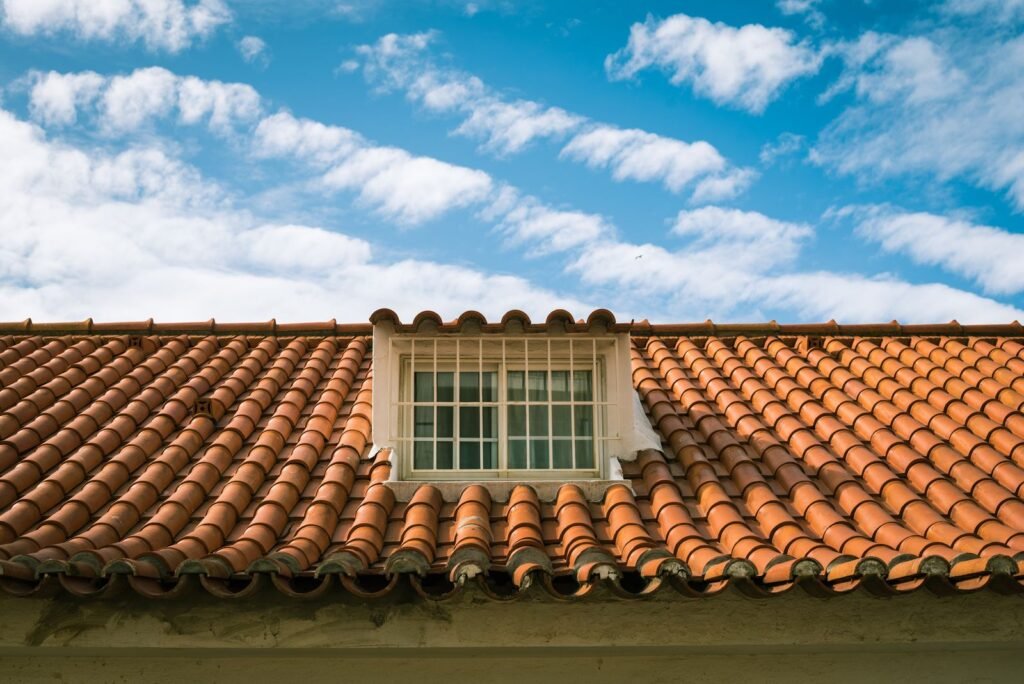
Roof problem in Pueblo 81001? Inspection and a written, itemized estimate before any work is agreed.
Clay Tile Cost Factors
Clay tile is a premium roof and is priced like one. Clay generally costs more than concrete tile. What moves the figure: the clay tile profile and source, total roof area, pitch and complexity, the structural check outcome and any reinforcement, underlayment quality, and flashing scope. No price is quoted here. Your written itemized estimate will show exactly what drives your number.
Living With a Clay Tile Roof
A clay tile roof asks for the same honest maintenance as any tile roof, with one clay-specific note. Replace broken tiles promptly, because the underlayment beneath is the real waterproofing and it degrades faster when constantly wet. Keep valleys clear of debris. And treat the tiles gently: clay is a natural fired product, strong in place but brittle under a careless footstep or a dropped tool. Anyone walking your clay roof, including other trades, should know how to move on tile. When tiles are lifted for repairs, have the underlayment condition checked at the same time.
Warning Signs a Clay Tile Roof Needs Attention
Clay tiles themselves last a long time, but the system underneath them does not always. Look for cracked, chipped, or slipped tiles, especially after hail, and for tiles that have shifted out of line, which can mean the fixings or the battens underneath have failed. Inside, a stain on a ceiling, damp insulation, or a musty smell in the attic usually points to the underlayment — the true waterproofing layer beneath the tiles — rather than to a single tile. Granules are not the issue here, but debris in the valleys, moss in shaded areas, and broken ridge tiles are. A few cracked tiles are a straightforward repair; widespread cracking, slipping across several slopes, or repeated leaks point to an ageing underlayment or a structural issue that needs an honest assessment.
Pueblo Factors for Clay Tile Roofs
Pueblo’s hail season, roughly mid-April to mid-September, is the main threat to clay tile. Hail can crack a tile outright, and a cracked tile left in place lets water straight through to the underlayment. At about 4,692 feet elevation, strong sun and large day-to-night temperature swings add thermal movement that works at the tiles, the fixings, and the flashing. Freeze-thaw in winter can also split a tile that has absorbed water, which is why prompt replacement of cracked tiles matters before cold weather. Many Pueblo homes were built before 1980, and a clay tile roof on such a home should be checked as a system: the tiles, the underlayment, the battens, and the structure that carries the considerable weight of the roof.
Clay Tile Roofing
Maintenance Tips for Clay Tile Roofs
- Inspect after hail. Walk the property and look for cracked or slipped tiles after every storm in hail season.
- Do not walk on the tiles. Clay tiles are brittle under foot traffic; leave roof access to a professional who knows where to step.
- Keep valleys clear. Debris in a valley holds water against the underlayment and the tile edges.
- Replace cracked tiles promptly. A cracked tile is an open path to the underlayment, and the underlayment is not meant to be the only waterproof layer for long.
- Check ridge tiles yearly. Ridge tiles are the most exposed part of the roof and the first to work loose.
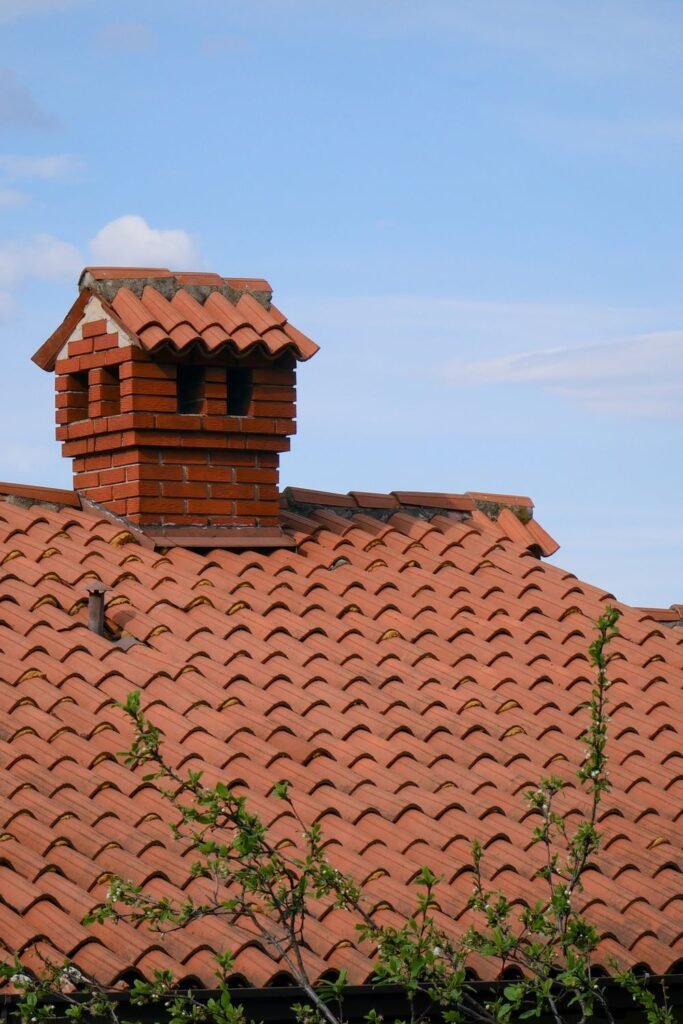
What to Ask Before Clay Tile Work
Ask how the structure was checked for the weight of clay tile, and ask to see the result in writing — a tile roof is heavy, and that check is not optional. Ask what underlayment will be used, how the tiles will be fixed, and how valleys, chimneys, and walls will be flashed. Ask where replacement tiles will come from and how close the match will be, because clay colors and profiles vary between manufacturers and batches. Ask what happens if the underlayment or battens underneath are found damaged once tiles are lifted, and ask for photos before and after the work. If a contractor suggests laying clay tile over an old shingle roof without a structural check, that is a sign to get a second opinion.
Mistakes to Avoid With Clay Tile Roofs
The most common mistake is walking on the roof and breaking tiles that were sound — clay tile is not a surface to stand on without knowing the right path. Another is replacing cracked tiles with concrete tiles or the wrong clay profile, which leaves gaps and an uneven look. A third is ignoring the underlayment: new tiles over a worn-out underlayment will still leak, and the leak will be blamed on the tiles. Finally, do not pressure-wash a clay tile roof; high-pressure water can damage tiles and force water under them. Interior ceiling stains are a separate cosmetic trade from roofing; the roofer’s job is to stop the water getting in.
Is clay tile worth the extra cost over concrete?
It depends on what you value. Homeowners choosing clay tile roofing in Pueblo, CO usually want the authentic natural material, the through-body color, and the way clay ages. If those matter to you, clay is worth it. If you want the tile look and solid performance at a lower cost, concrete tile is the honest alternative. We will price both if you want the comparison.
Does clay tile fade?
Because the color runs through the tile body, clay does not fade the way surface-coated products can. It weathers and mellows, which most clay owners consider part of its character, not a defect.
Can my house support clay tile?
The inspection will tell you honestly. The same structural-confirmation rule applies as with concrete tile. We do not guess about structural suitability for any specific home.
What happens when a clay tile cracks?
The individual tile is replaced with a matching clay tile. Prompt replacement matters, because every cracked tile exposes the underlayment beneath to water.
How long does clay tile installation take?
Longer than shingles and often longer than concrete tile, because clay demands careful handling piece by piece. Your written estimate includes the timeline for your specific home.
How long does a clay tile roof last in Pueblo?
The tiles themselves can last decades when they are not cracked by hail or broken by foot traffic. The underlayment beneath them has a shorter life, and it is usually the underlayment, the flashing, or the fixings that determine when a clay tile roof needs major work. An inspection of the whole system, not just the tiles, gives the honest answer for your home.
Can a single cracked clay tile be replaced?
Yes. The surrounding tiles are lifted, the damaged tile is removed, and a matching tile is fitted in its place. Prompt replacement matters, because every rain lets water through to the underlayment, and a small repair left through a hail season can become a larger one.
Will my insurance cover hail damage to clay tile?
That depends on your policy, the cause of the damage, and the age and condition of the roof, and no roofer can guarantee a claim outcome. Keep photos and dates from the storm, keep inspection notes, and speak with your insurer about what your policy covers.
Is clay tile suitable for a Pueblo home?
Clay tile handles Pueblo’s heat well and suits the style of many homes, but it is heavy and brittle, so the structure must be confirmed suitable and the tiles must be handled carefully. The inspection should confirm both before you commit to the material.
Clay Tile Roofing
Related Roof Services
- Tile Roofing Installation in Pueblo, CO 81001 — tile roofing options.
- Tile Roof Repair in Pueblo, CO 81001 — repairing tile roofs.
- Concrete Tile Roofing in Pueblo, CO 81001 — manufactured concrete tile roofing.
- Wood Shake Roofing in Pueblo, CO
- Wood Shake Roof Repair in Pueblo, CO
- Slate Roofing Installation in Pueblo, CO
- All roofing services
Inspection · Written estimate
Considering Clay Tile in Pueblo, CO 81001? Call Now
Call Pueblo Roofing Co. to discuss clay tile for your home. We will confirm structural suitability honestly, explain the cost factors, and give you a written itemized estimate.