

Home / Roofing Services / Tile Roofing Installation
Tile Roofing Installation in Pueblo, CO 81001
Tile roofing installation in Pueblo, CO is the professional installation of a concrete or clay tile roof system — one of the longest-lived and most distinctive roofing choices, well suited to Pueblo’s climate.
- Roof inspection
- Written, itemized estimate
- Local to Pueblo 81001
Speak to a local roofer
Need Tile Roofing Installation help today?
Describe what you see and get a straight answer about the next step — no pressure on the first call.
- Roof inspection
- Photos of what we find
- Written estimate before work starts
Tile roofing installation in Pueblo, CO is the professional installation of a concrete or clay tile roof system — one of the longest-lived and most distinctive roofing choices available. Tile suits Pueblo’s climate well: it handles sun, sheds weather, and gives a home unmistakable character. But tile is heavy and demands correct installation, so the process starts long before the first tile is laid. For Pueblo homeowners planning a roof that outlasts the mortgage, tile deserves a serious look.

Why Tile in Pueblo
- Long service life. Tile is among the longest-lived roofing materials — measured in decades — though we make no guaranteed-lifespan promise for any specific roof.
- Distinctive look. Nothing else looks like tile. For homes where architecture matters, it is in a class of its own.
- Hail resistance of the tile itself. The tile surface stands up to hail well — with the honest caveat that individual tiles can crack from impacts or foot traffic, and cracked tiles must be replaced promptly before water reaches the underlayment.
- Sun performance. Tile handles Pueblo’s intense high-altitude sun without the UV degradation that ages asphalt.
The Weight Question — Read This First
Tile is heavy — several times the weight of asphalt shingles. Your home’s structure must be able to carry that load, and this is not something to assume. Before any tile installation, a structural assessment must confirm your roof framing can support tile weight. We do not promise that tile suits any specific home until that check is done — if the structure cannot carry it, we will tell you, and discuss lighter alternatives instead.
Reinforcement, when needed, is straightforward framing work done before the roof goes on — and it is itemized in your written estimate, not buried in a lump sum.
Tile Roofing Installation
Concrete vs. Clay — In Plain Language
- Concrete tile. The more common and more economical choice. Heavier than clay, available in many profiles and colors, and very durable.
- Clay tile. The traditional choice — lighter than concrete, with natural color that never fades, and typically the longer-lived of the two. Higher material cost.
Both need the same careful installation. The choice usually comes down to budget, weight limits and the look you want. Your written estimate will compare both options for your specific roof.
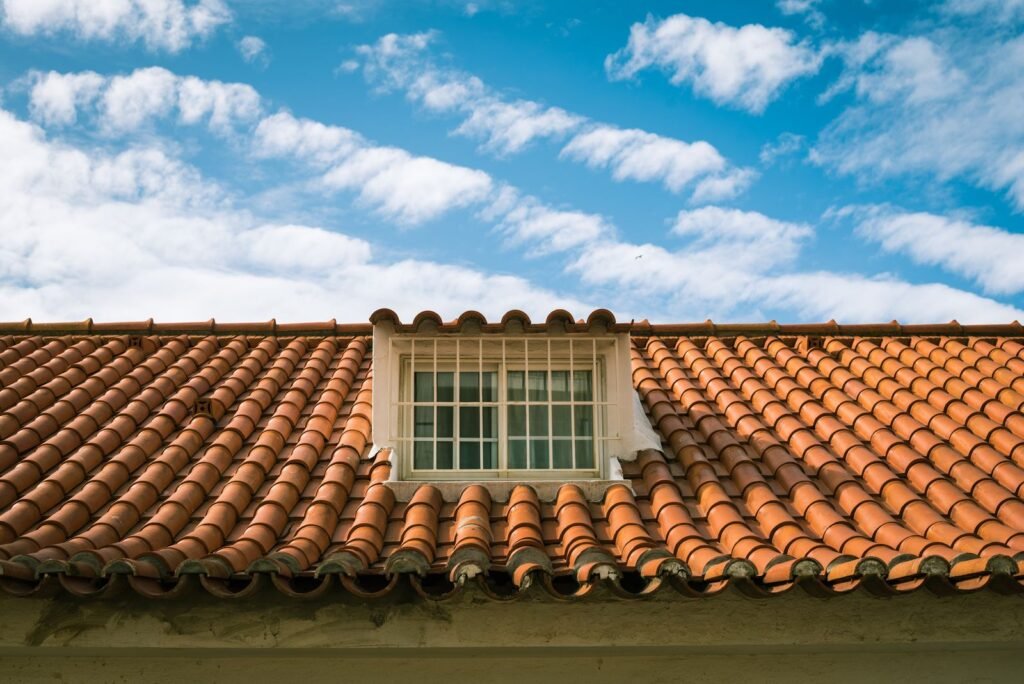
Tile Roofing Installation
Our Installation Process
- Structural check. The framing is assessed for tile load capacity before anything else — no tile goes on a structure that cannot carry it.
- Tear-off and decking. The old roof is removed and the decking is inspected and repaired — tile needs a sound, properly prepared deck.
- Underlayment. High-quality underlayment over the full deck. On a tile roof the underlayment is the true waterproofing layer — the tiles shed most water, but the underlayment catches the rest.
- Tile laying. Tiles are laid course by course, fastened per the manufacturer’s system for Pueblo’s wind exposure.
- Flashing. Valleys, chimneys, walls and penetrations get tile-compatible flashing — the detail work that keeps a tile roof dry.
- Ridge and clean-up. Ridge tiles are set and mortared or fastened per spec, the site is cleaned, and the finished roof is walked and photographed.
Roof problem in Pueblo 81001? Inspection and a written, itemized estimate before any work is agreed.
Tile Roofing Installation
What Changes the Cost
Tile is a premium roofing choice, and the estimate reflects it. What moves the figure:
- Concrete vs. clay tile
- Roof size, pitch and complexity
- Structural reinforcement, if the framing needs it
- Flashing scope — valleys, chimneys, walls
- Decking repairs found at tear-off
Cost factors only — your written, itemized estimate has the real numbers for your home.
Tile Roofing Installation
Install a Tile Roof in Pueblo, CO 81001
Tile Roofing Installation
Pueblo Factors for a New Tile Roof
Pueblo is kind to tile in most ways, and the installation should be designed for the ways it is not. Hail season, roughly mid-April to mid-September, is the first consideration: tile is fired clay or concrete, so a hailstone that would bruise a shingle usually leaves tile unmarked, though an extreme hailstone can crack a tile where it is struck on an edge. At about 4,692 feet elevation, ultraviolet light is strong, but tile is immune to UV degradation in the way shingles are not — the tile does not age in the sun, which is why a tile roof’s life is set by its underlayment, its flashing, and its fasteners, not by the tile itself. Large day-to-night temperature swings make the metal flashing expand and contract, which is where most tile roof leaks begin. Many Pueblo homes built before 1980 have tile roofs whose underlayment has aged, and a new tile roof on such a home should start with a structural check and a new underlayment, not just new tile.
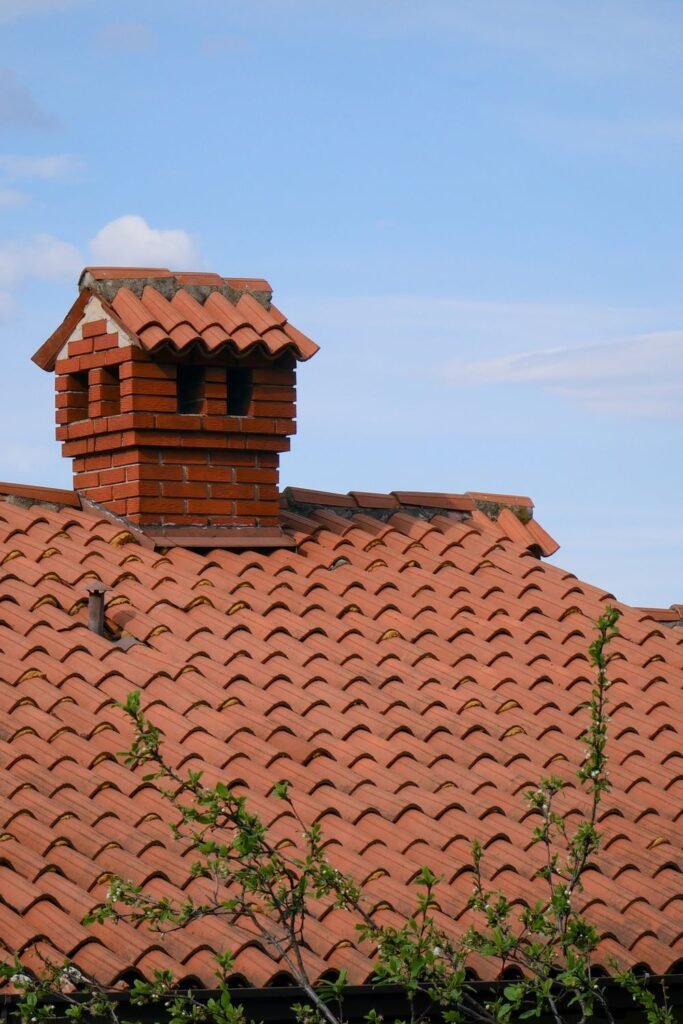
Underlayment and Flashing for Tile
The underlayment and the flashing are what keep a tile roof dry for decades, because the tile itself is the last line of defense, not the first. A high-quality underlayment goes down as the secondary barrier beneath the tile, and it should be chosen for the roof’s pitch and the climate — a tile roof’s underlayment is expected to last as long as the tile, so it should not be the cheapest option. Flashing at valleys, chimneys, walls, and penetrations should be built to last as long as the roof, and it should be photographed before the tiles are laid, because it is hidden once the roof is finished. The ridge and hip tiles are set and mortared or fastened per the manufacturer’s specification, and they are the most exposed part of the roof, so they deserve the most care.
Profiles, Colors and Matching
Tile comes in many profiles — flat, low-profile, and high-profile barrel shapes — and the profile should be chosen for the home’s architecture and the roof’s pitch. Color ranges from terracotta and brown to gray and black, and it is set by the tile’s material and finish — a clay tile’s color is natural and holds, while a concrete tile’s color can fade over time. The choice should be made from actual tile samples, not from a photograph, because the tile varies, and it weathers once it is on the roof. The roofer should be able to show you samples, explain the profile and color options, and tell you what the roof will look like once weathered.
Tile Roofing Installation
Scheduling a Tile Installation
Tile installation takes longer than shingles, metal, or slate, because every tile is laid and fastened individually by skilled hands. The schedule should allow for weather delays, especially during hail season, because tile work should not be rushed in bad weather. The roof should be dried in — underlayment and flashing in place — before the tile laying begins, so a rainstorm does not damage the interior. The roofer should be able to say how long the installation will take once the structure is confirmed, and what will happen if the weather turns. A clear schedule protects the homeowner’s timeline and avoids the pressure to rush a roof that will be expected to last for generations.
Tile Roofing Installation
Maintenance Tips for a New Tile Roof
- Inspect yearly. Look from the ground for cracked, slipped, or missing tiles, and for debris in the gutters.
- Keep valleys clear. Debris in a valley holds water against the flashing and speeds up corrosion.
- Check the flashing. Valleys, chimneys, and wall junctions are where most tile roof leaks start.
- Do not walk on the roof. Tile is brittle underfoot, and a careless footstep cracks it — leave the walking to a roofer who knows tile.
- Check the attic. Staining on the decking or insulation is the earliest sign the underlayment or the flashing has failed.
What to Ask Before a Tile Installation
Ask whether the structure has been confirmed to carry tile weight, and ask for the structural assessment in writing. Ask which tile type, profile, and color are being proposed, and ask to see samples. Ask which underlayment and which flashing will be used, and why they suit this roof. Ask for the manufacturer’s warranty and the installer’s workmanship warranty in writing, and ask what voids them. Ask how long the installation will take, and what will happen if the weather turns. Finally, ask for photos of the underlayment and the flashing before the tiles are laid, and ask for references from homes in Pueblo where the same system has been installed.
Mistakes to Avoid With Tile Installation
The most common mistake is installing tile without confirming the structure can carry it — tile is among the heaviest roofing materials, and a structure that cannot carry it will sag. Another is skimping on the underlayment or the flashing, which fail long before the tile does. A third is letting someone who does not know tile walk on the roof during the installation, which cracks tiles that were sound. Finally, do not let a contractor install tile on a roof whose pitch is too low — tile needs a pitch steep enough to shed water, and a low-slope roof is not suitable for it. Interior finish work is a separate trade from roofing; the roofer’s job is to deliver a dry, sound tile roof.
Can my house support a tile roof?
Maybe — and the structural check is how we find out. Many homes can carry tile as built; some need reinforcement; a few cannot. Homeowners considering tile roofing installation in Pueblo, CO should know this is the first question, not an afterthought — and we answer it with an assessment, not a guess.
Do tiles break easily?
Individual tiles can crack from hard impacts or careless foot traffic — that is the honest caveat. But a tile roof is a system: one cracked tile is a quick individual replacement, not a roof failure. Prompt replacement of broken tiles is the main maintenance a tile roof needs.
How long does tile installation take?
Longer than shingles — typically one to three weeks depending on roof size and complexity. Every tile is placed individually, and the flashing and ridge work is meticulous. Your written estimate includes the timeline.
Can cracked tiles be replaced years from now?
Yes — individual tile replacement is straightforward at any point in the roof’s life, as long as matching tiles are still available. This is one of tile’s practical advantages: the roof is serviced tile by tile, not torn off for one failure.
Is tile worth the extra cost over shingles?
It depends on your priorities and how long you plan to stay. Tile costs more upfront but lasts far longer and looks unmatched. For a long-term home where you want the roof done once and done beautifully, tile is often the answer. For a shorter horizon, the math may favor shingles — we will walk through it honestly.
How much does tile installation cost?
Tile is a premium roof and is priced accordingly. The cost depends on the tile type and profile, the roof size and complexity, the underlayment and flashing, and whether structural work is needed. Ask for a written quote that separates each part, so you can see what each costs.
How long will a new tile roof last?
As a guide, a well-installed tile roof can last for generations, though the exact lifespan depends on the tile, the underlayment, the flashing, and the installation. No roofer can guarantee a specific lifespan.
Can tile be installed on any roof pitch?
Tile needs a pitch steep enough to shed water — a low-slope roof is not suitable for tile, because water will back up under the tiles. The roofer should be able to explain whether your roof’s pitch suits tile, and what the minimum pitch is for the system being proposed.
Is tile installation covered by insurance?
That depends on your policy and the reason for the installation. A tile roof damaged by hail may be covered; a new tile roof installed by choice is not an insurance matter. Speak with your insurer about what your policy covers, and no roofer can guarantee a claim outcome.
Tile Roofing Installation
Related Roof Services
- Tile Roof Repair in Pueblo, CO 81001 — keeping a tile roof performing.
- Full Roof Replacement in Pueblo, CO 81001 — complete replacement options.
- Roof Replacement Cost in Pueblo, CO 81001 — what changes the price.
- All roofing services
Inspection · Written estimate
Talk to a Local Pueblo Roofer
Considering tile for your Pueblo home? Call Pueblo Roofing Co. to schedule an inspection. We will assess your structure, explain concrete vs. clay honestly, and give you a written, itemized estimate — so you decide with real numbers, not sales pressure. A tile roof is a once-in-a-generation choice; let’s make sure it is the right one for your home.