
Home / Roofing Services / Warehouse Roofing
Warehouse Roofing in Pueblo, CO 81001
Warehouse roofing in Pueblo, CO covers the large flat and low-slope roofs that protect inventory, equipment and operations. It is commercial roofing with a business attached, which means the work is planned around your operation, not the other way around.
- Roof inspection
- Written, itemized estimate
- Local to Pueblo 81001
Speak to a local roofer
Need Warehouse Roofing help today?
Describe what you see and get a straight answer about the next step — no pressure on the first call.
- Roof inspection
- Photos of what we find
- Written estimate before work starts
Warehouse roofing in Pueblo, CO covers the large flat and low-slope roofs that protect inventory, equipment and operations. It is commercial roofing with a business attached, which means the work is planned around your operation, not the other way around.
Warehouse Roofing
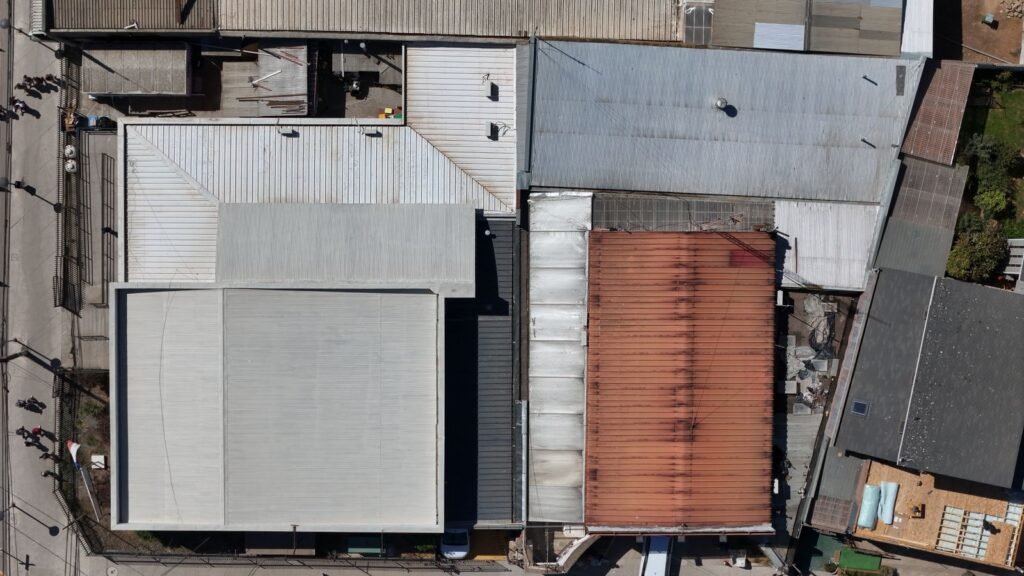
Warehouse Roofs in Pueblo
Warehouse roofs have their own character and their own demands:
- Large flat and low-slope areas. Warehouses are big, simple rectangles, which means large membrane areas where drainage is everything.
- Drainage is critical. On a roof this size, even minor ponding becomes a major problem. Falls, drains and scuppers are designed and maintained, not assumed.
- Rooftop units. HVAC, vents and equipment crowd warehouse roofs, and every penetration is a flashing detail that must be done right.
- Foot traffic. Maintenance crews, equipment servicing and inspections mean the membrane must tolerate traffic.
- Business continuity. The warehouse keeps operating. Work is planned to minimize disruption, with no promised timeline, just honest scheduling discussed up front.
Warehouse Roofing
Roofing Systems for Warehouses
Several systems suit warehouse roofs in Pueblo, each with general differences:
- TPO. Single-ply membrane with heat-welded seams, light and reflective. See TPO Flat Roofing.
- EPDM. Synthetic rubber single-ply, flexible and proven, with simple repairs. See EPDM Rubber Flat Roofing.
- Modified bitumen. Multi-ply asphalt system with strong fused seams and good traffic tolerance. See Modified Bitumen Flat Roofing.
- Built-up. The traditional layered felt-and-asphalt system, heavy and redundant. See Built-Up Roof.
General differences only, no invented performance figures. The inspection recommends the system that fits your roof, your use and your budget factors.

Warehouse Roofing
The Process
Every warehouse roofing project follows the same disciplined sequence:
- Inspection. The full roof is walked: membrane, seams, flashing, drains, rooftop units and the interior beneath for leak signs.
- Drainage plan. Falls and drainage are assessed and corrected in the scope, because ponding on a warehouse roof is never acceptable.
- Written scope. You get a written, itemized scope and estimate before any work begins, no surprises.
- Phased work where needed. Large roofs can be worked in phases to keep the building weather-tight and the operation running.
- Clean-up and final check. The roof is walked against the written scope, every seam, flashing and drain checked.

Roof problem in Pueblo 81001? Inspection and a written, itemized estimate before any work is agreed.
Warehouse Roofing
Warehouse Roof Maintenance
A warehouse roof earns its keep through maintenance. Keep drains and scuppers clear, because ponding on this scale is destructive. Keep rooftop equipment serviced so leaks around units are caught early. Have seams and flashing checked after hail. Schedule a periodic professional inspection. Simple habits, and the difference between a roof that protects the operation for decades and one that fails expensively.
Warehouse Roofing
Cost Factors for Warehouse Roofing
Cost is driven by factors, not a flat price. For warehouse roofing in Pueblo, the main ones are:
- Roof size. Warehouses are large, and square footage is the biggest cost driver.
- System choice. TPO, EPDM, modified bitumen and built-up differ in material and labor.
- Drainage work. Correcting falls and drains on a large roof is priced with the membrane work.
- Rooftop equipment. More units and penetrations mean more flashing work.
- Phasing. Phased work to keep the operation running adds planning and mobilization.
- Decking condition. Repairs found before installation are priced separately, in writing.
You get a written, itemized estimate before any work begins. No price is quoted over the phone without seeing the roof.
Pueblo Factors for Warehouse Roofs
Warehouse roofs in Pueblo face the same hail season as every other roof — mid-April to mid-September — and on a roof of this size, hail damage is hard to spot: a few punctures in a membrane that covers thousands of square meters can leak for months before anyone notices. At about 4,692 feet elevation, ultraviolet light is strong, which ages single-ply membranes and coatings faster. Large day-to-night temperature swings make the membrane and the deck expand and contract, which works on the seams. Many older Pueblo warehouses were built before 1980, and their roofs often have poor drainage falls, undersized drains, or decking that has softened. A warehouse roof on an older building should be inspected for ponding and deck condition, not just membrane condition.
Drainage and Ponding at Scale
On a warehouse roof, drainage is the whole job. A small pond on a house roof is a nuisance; a pond on a warehouse roof is a structural load and a leak waiting to happen. The roof needs a fall to the drains or scuppers, and the drains need to be sized for the roof area and kept clear. If water ponds, the fix may be tapered insulation to create a fall, or additional drains — both are bigger jobs than a patch, but they are the only lasting fix for a roof that holds water. The inspection should map where water sits after rain, and the scope should address it before the membrane is chosen, because no membrane survives standing water indefinitely.
Rooftop Equipment and Penetrations
Warehouse roofs are crowded: HVAC units, vents, exhausts, skylights, and equipment curbs all pierce the membrane, and every penetration is a potential leak. Each one needs proper flashing and a curb that lifts it above the roof surface, and each one needs to be checked during inspection. Rooftop equipment also means foot traffic — maintenance crews servicing units walk on the membrane, and walkway pads protect it. The roofer should be able to explain how each penetration will be flashed, and whether any units need to be lifted or moved during the work. Equipment servicing itself belongs to the HVAC trade; the roofer’s job is to make the roof watertight around it.
Phased Work and Business Continuity
A warehouse cannot stop for a roof. Large roofs are worked in phases: one section at a time, with the rest of the roof kept watertight, so the operation underneath keeps running. Phasing needs planning — material staging, access, safety, and a daily watertight tie-off so an unfinished section does not leak overnight. The scope should explain the phasing, the duration of each phase, and how the building will be protected at the end of each day. If the building stores inventory, ask how the roof work will be sequenced around the areas that matter most, and what happens if rain is forecast.
Condition Reports for Owners and Insurers
A warehouse roof condition report is a written record: membrane condition, seam and flashing condition, drainage, ponding, deck condition, and photos of every defect, with recommendations. It is useful for owners planning capital spending, for landlords and tenants dividing responsibility, and for insurers after a storm. After a hailstorm, a condition report documents the damage before any repair, which is the basis for any insurance discussion — though no roofer can guarantee an insurance outcome. Ask for the report in writing, with photos, and keep it with the building records.
What to Ask Before Warehouse Roofing Work
Ask which system is recommended and why it suits this roof, and how the drainage and ponding will be addressed. Ask how the work will be phased, how the building will stay watertight at the end of each day, and how long each phase will take. Ask how the penetrations and rooftop equipment will be flashed, and whether any units need to be moved. Ask for the manufacturer’s warranty and the installer’s workmanship warranty in writing, and ask for a written condition report with photos before and after the work.
Warehouse Roofing
Mistakes to Avoid With Warehouse Roofs
The most common mistake is re-covering a roof that ponds, without fixing the drainage — the new membrane will fail in the same place. Another is ignoring the deck condition: a membrane over soft decking will not hold its fasteners. A third is working without a phasing plan, which leaves sections open overnight. Finally, do not skip the condition report: without a written record, there is no basis for planning, for budgeting, or for any insurance discussion after a storm.
Can work continue while the warehouse operates?
Usually yes. Warehouse roofing in Pueblo, CO is planned around your operation: phased work keeps the building weather-tight, noisy or disruptive stages are scheduled with you, and access routes are agreed up front. No promised timeline, just honest scheduling discussed before the work starts.
What roofing system is best for a warehouse?
It depends on the roof. TPO, EPDM, modified bitumen and built-up all suit warehouses, and the choice comes down to drainage, foot traffic, equipment, structure and budget factors. The inspection recommends honestly rather than pushing one system for every building.
How do you handle drainage on a large warehouse roof?
Drainage is designed, not assumed. The inspection maps falls, drains and scuppers, finds ponding areas, and the scope corrects them as part of the work. On a roof this size, even minor ponding becomes a major problem, so it is never left alone.
Can a warehouse roof be repaired, or must it be replaced?
Many warehouse roofs repair well: seam repairs, flashing renewal, drain clearing and localized membrane patching. Replacement becomes the honest answer when the membrane is failing widely, drainage has damaged the system beneath, or repairs have become a treadmill.
How long does a warehouse roof last?
No guaranteed lifespan. It depends on the system, installation quality, drainage, foot traffic, hail and maintenance. A well-installed warehouse roof with good drainage and basic care serves for decades. A ponding, neglected one does not.
Do you inspect warehouse roofs for insurance or lease purposes?
Yes. We provide written condition reports with photos for insurers, landlords and lease requirements. The report documents the roof’s condition, drainage, flashing and recommended next steps. It is an inspection document, not a repair, not a warranty and not an insurance decision.
How often should a warehouse roof be inspected?
At least twice a year — in spring and autumn — and always after a major hailstorm. Warehouse roofs are large, and a small problem can become a large leak before anyone notices. Regular inspections, with photos and a written report, are the cheapest way to plan maintenance.
Can a warehouse roof be re-covered instead of replaced?
Sometimes, if the deck is sound, the drainage is adequate, and there is only one existing layer. A re-cover saves the cost of a tear-off, but it does not fix ponding or deck damage. The inspection must confirm the deck and drainage before a re-cover is recommended.
How long does a warehouse roof replacement take?
It depends on the size of the roof, the system, the drainage work, and the phasing. A large warehouse roof is usually a multi-week project, worked in sections so the building stays in use. The roofer should give a written schedule before work begins.
Will the roof work disturb the business below?
There will be some noise and vibration, especially during tear-off. Phased work, clear communication about the schedule, and daily clean-up keep the disruption to a minimum. If the building has sensitive operations, tell the roofer in advance so the phasing can be planned around them.
Warehouse Roofing
Related Roofing Services
Warehouse roofing is commercial roofing at scale. You may also need Commercial Roofing, Commercial Flat Roofing or Flat Roof Installation.
Inspection · Written estimate
Talk to a Local Pueblo Roofer
Need a warehouse roof that protects the operation without stopping it? Call (833) 677-3181 and we will inspect the full roof, plan the work around your business, and give you a written, itemized estimate before any work begins.