
Home / Roofing Services / Attic Ventilation Installation
Attic Ventilation Installation in Pueblo, CO 81001
Attic ventilation installation in Pueblo, CO gives your roof system the airflow it was designed to have. A ventilated attic stays cooler in summer and drier in winter, which protects shingles, decking and insulation alike. Many Pueblo homes were built with too little ventilation — or with vents that were later blocked — and the roof pays the price in heat and moisture damage.
- Roof inspection
- Written, itemized estimate
- Local to Pueblo 81001
Speak to a local roofer
Need Attic Ventilation Installation help today?
Describe what you see and get a straight answer about the next step — no pressure on the first call.
- Roof inspection
- Photos of what we find
- Written estimate before work starts
Attic ventilation installation in Pueblo, CO gives your roof system the airflow it was designed to have. A ventilated attic stays cooler in summer and drier in winter, which protects shingles, decking and insulation alike. Many Pueblo homes were built with too little ventilation — or with vents that were later blocked — and the roof pays the price in heat and moisture damage.

Attic Ventilation Installation
Why Attic Ventilation Matters in Pueblo
Pueblo attics take a beating. In summer, the high-altitude sun superheats the roof surface, and without airflow that heat builds up in the attic — baking shingles from underneath, drying out the decking and making the whole house harder to cool. In winter, warm moist air from the living space rises into a cold attic, condenses on the underside of the decking, and feeds mold and wood rot.
Proper ventilation moves air through the attic continuously: fresh air in low, warm moist air out high. That steady exchange keeps temperatures and moisture closer to outdoor conditions, which is what roofing materials are designed for. No ventilation setup can promise a specific shingle lifespan or energy saving — but every major shingle manufacturer expects adequate ventilation under its products.
Attic Ventilation Installation
Ventilation Types in Plain Language
Soffit intake + ridge exhaust. The most common balanced system. Vented soffits at the eaves let cool air in; a ridge vent along the roof peak lets warm air out. Air flows naturally from low to high with no moving parts and no energy use.
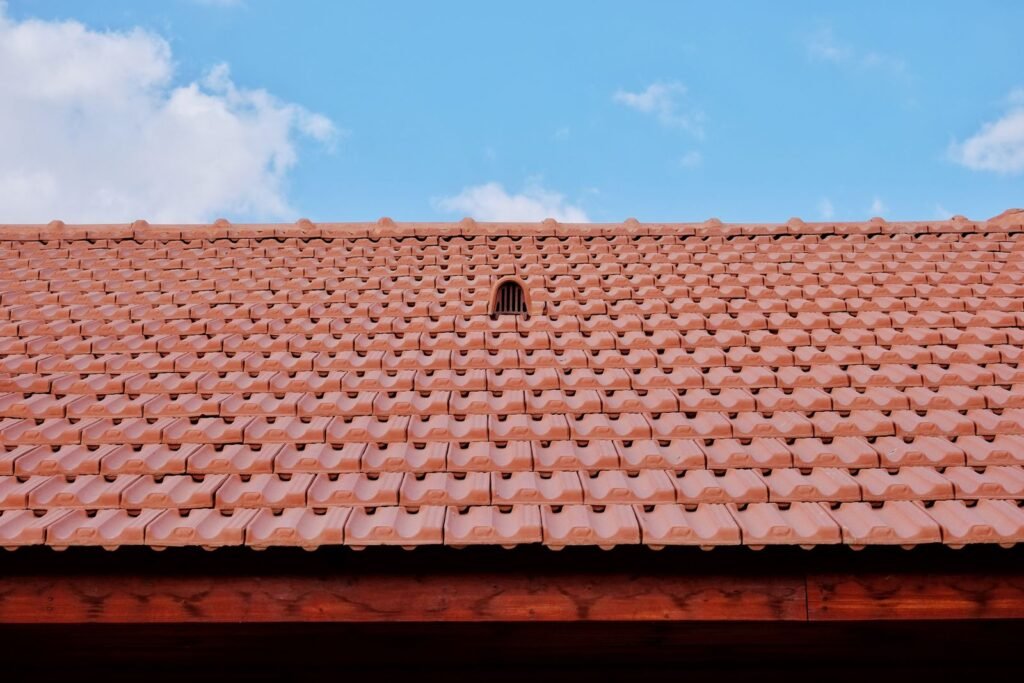
Box vents (static vents). Individual vents mounted near the ridge that let warm air escape. They work with soffit intake vents and suit roofs where a continuous ridge vent is not practical.
Powered vents. Electric or solar fans that actively pull air through the attic. They move more air than passive vents but use energy, have motors that eventually wear out, and can pull conditioned air from the house if the attic is not well sealed — so they are not automatically the best choice.
Gable vents. Vents in the gable-end walls. Older homes often have these, but on their own they ventilate poorly — air takes the shortcut straight across instead of sweeping the full attic.
Attic Ventilation Installation
The Intake and Exhaust Balance
Ventilation only works as a system. Intake (low) and exhaust (high) have to be balanced — roughly equal airflow in and out — or the system underperforms. Too little intake and the exhaust vents starve; too much exhaust without intake and the vents can pull air from inside the house instead of from outside.
More vents is not automatically better. Piling extra exhaust vents onto a roof with blocked soffits does not fix the imbalance — it just adds roof penetrations. The inspection measures what the attic has now, what it needs, and where each vent should go so intake and exhaust work together.
Roof problem in Pueblo 81001? Inspection and a written, itemized estimate before any work is agreed.
Attic Ventilation Installation
Our Attic Ventilation Installation Process
Ventilation is sized to the attic, not guessed. Here is how the job runs:
- Attic inspection. We measure the attic, check existing intake and exhaust vents, look for blocked soffits, and note insulation depth and any moisture damage.
- Ventilation plan. Based on the attic size and roof layout, we plan the intake/exhaust balance — where soffit vents go, what exhaust type suits the roof, and how many of each.
- Intake work. Blocked soffit vents are cleared or replaced; where intake is missing, vented soffit panels are installed.
- Exhaust installation. Ridge vent, box vents or other exhaust units are cut in and integrated with the roofing — flashed and sealed like any other roof penetration.
- Baffle check. Where insulation could block the new soffit airflow, baffles keep the air path open from eave to attic.
- Final verification. Every vent is checked for clear airflow, roof penetrations are sealed, and the site is cleaned up.
Attic Ventilation Installation
Warning: Ventilation Must Match the Roof System
Ventilation is not a product you bolt on — it is part of the roof system. Mixing exhaust types that fight each other (for example, a ridge vent plus powered fans on the same attic) can short-circuit airflow instead of improving it. Cutting vents into a roof without balancing intake can make moisture problems worse, not better.
That is why the inspection decides the design. We size intake and exhaust to your attic and roof, and we tell you plainly if your current setup is fine as-is — not every attic needs new vents. Related reading: Soffit Repair, Roof Inspection.

Pueblo Factors That Shape Ventilation Design
Pueblo’s climate makes ventilation design more than a generic calculation. At about 4,692 feet elevation, the sun is strong and the roof surface superheats in summer, so a poorly ventilated attic can reach temperatures that age asphalt shingles faster and make the rooms below harder to cool. Large day-to-night temperature swings also drive condensation, especially in homes built before 1980 where bathroom fans often vent into the attic and hatch seals are thin. Hail season, roughly mid-April to mid-September, matters too: any new roof penetration for a vent must be flashed correctly, or the next hailstorm will find the weak point. A ventilation plan for a Pueblo home should therefore be sized to the attic and the roof layout, not copied from a different climate or a different house.
Warning Signs Your Attic Ventilation Is Not Working
A hot attic in summer. If the attic feels like an oven while the house is comfortable, air is not moving through it.
Moisture or frost on decking. Damp wood, frost on nails, or water stains on the underside of the roof in cold weather.
Musty smell. A damp, musty attic smell usually means moisture is not leaving the space.
Curling shingles. Heat from below can curl and age shingles faster than sun alone would.
Blocked soffits. Insulation pushed over the intake vents at the eaves stops the whole system.
Attic Ventilation Installation
Mistakes to Avoid With Attic Ventilation
The most common mistake is adding exhaust vents without fixing blocked intake: the system cannot pull air it cannot get in, and extra exhaust can even pull conditioned air from the house into the attic. Another is mixing exhaust types — ridge vents with box vents or powered fans on the same roof — which can short-circuit airflow and leave parts of the attic unventilated. A third is cutting vents without baffles, so insulation drifts over the new intake within a year. Finally, do not treat ventilation as a fix for a leak: if water is getting in through damaged flashing or bruised shingles, ventilation will not stop it. Mold remediation and insulation replacement are separate trades from roofing and ventilation, and should be handled after the moisture source is fixed.
How do I know if my attic needs more ventilation?
Common clues: an attic that feels like an oven in summer, moisture or frost on the underside of the decking in winter, mold on attic wood, curling shingles well before their time, and ice dams at the eaves. But the only sure answer comes from an inspection — we check intake, exhaust, insulation and moisture signs together.
Can you add ventilation without replacing my roof?
Usually yes. Soffit vents, box vents and even ridge vents can be retrofitted to an existing roof — each new penetration is flashed and sealed like any other. If the roof is near the end of its life, though, it can make sense to coordinate ventilation with replacement so everything is integrated at once.
Are powered attic fans worth it?
Sometimes, but not always. Powered fans move a lot of air, yet they use energy, their motors wear out, and on a leaky attic they can pull conditioned air out of your house — raising energy use instead of cutting it. A well-designed passive system (soffit + ridge) usually does the job with no moving parts. We recommend powered vents only where the roof layout genuinely needs them.
Will better ventilation lower my energy bills?
A cooler attic can reduce the load on your cooling system, but we do not promise specific energy savings — too much depends on insulation, ductwork, shading and how you use the house. Think of attic ventilation installation in Pueblo, CO as roof protection first: it defends shingles, decking and structure against heat and moisture. Any comfort improvement is a bonus.
How long does installation take?
Most ventilation retrofits are completed in a day — soffit vent work and a ridge vent or set of box vents are straightforward once the plan is set. Larger or more complex attics can take longer. You get a written scope with the expected timeframe before work starts.
How do I know if my soffit vents are blocked?
Look from the attic: daylight should show at the eaves, and insulation should not be packed against the roof deck at the edges. From outside, soffit vents that are painted shut or covered with debris are a common cause of a system that looks complete but does not move air.
Can ventilation be added during a roof replacement?
Yes, and a replacement is often the best time, because the ridge and decking are accessible and the vent system can be designed with the new roof rather than cut into it later. It is also the right time to check decking and insulation that the old roof was hiding.
Will more vents always help?
No. Ventilation only works as a balanced system, with intake low and exhaust high in roughly equal amounts. Extra exhaust without intake, or mixed exhaust types, can make airflow worse. The inspection should size the system to your attic before any vents are added.
Attic Ventilation Installation
Related Roofing Services
Ventilation connects the attic, eaves and roof surface. You may also need Soffit Repair, a Roof Inspection or Full Roof Replacement if the roof is due.
Inspection · Written estimate
Talk to a Local Pueblo Roofer
Hot attic, moisture stains on the decking, or vents you suspect are blocked? An inspection measures what your attic has and what it actually needs — balanced intake and exhaust, sized to the space. Call (833) 677-3181 and we will take a look, show you photos of what we find, and give you a written scope before any work begins.